Cowboy Vintage: Capturing the Rugged Spirit of the American West in Modern Design
In a digital landscape often dominated by sleek minimalism and geometric precision, there is a powerful counter-movement drawing designers and brands back to the tactile, the weathered, and the authentic. This resurgence isn't about mere nostalgia; it's a strategic choice to evoke trust, heritage, and a sense of enduring craftsmanship. At the heart of this aesthetic lies the Cowboy Vintage font, a typeface that does more than simply display words—it tells a story. It captures the rugged spirit of the American West, translating the boldness of 19th-century wooden posters and saloon signage into a versatile tool for contemporary creators.
The Anatomy of Heritage: What Defines the Cowboy Vintage Typeface
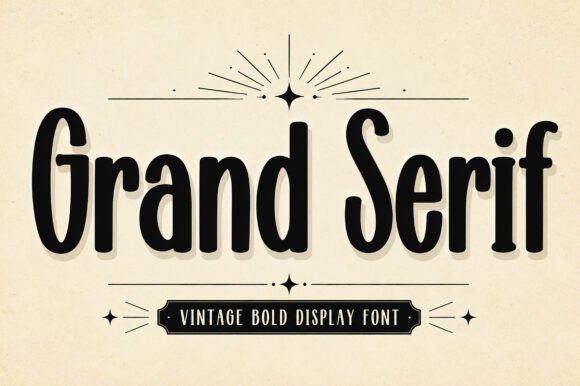
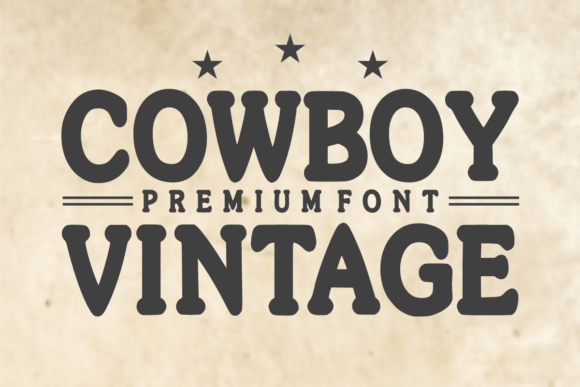
Understanding the appeal of Cowboy Vintage begins with its typographic DNA. This is not a delicate or retiring typeface. It is a bold, commanding display font built on the foundation of the slab-serif family. Its characters feature sturdy, thick strokes and squared-off terminals, providing a visual weight that demands attention. However, what often distinguishes a quality font like this are the subtle details: the rounded terminals that soften its impact just enough to feel approachable, and the carefully considered spacing that ensures legibility even at large, poster-sized scales.
The design directly references an era when communication was physical and monumental—hand-painted signs on weathered wood, posters nailed to telegraph poles, and the branding of early frontier businesses. This connection to history is not accidental. In an age of fleeting digital content, materials that suggest permanence and solidity carry significant psychological weight. The Cowboy Vintage font acts as a visual shorthand for reliability, tradition, and a no-nonsense authenticity that modern consumers increasingly seek out.
Why Heritage Design is Resonating Today
The relevance of a typeface like Cowboy Vintage is deeply tied to current market shifts and changing consumer expectations. We are witnessing a broad cultural pivot towards valuing provenance and story. In branding, this translates to a move away from generic, tech-centric aesthetics for many sectors. Consumers are looking for brands that feel grounded, human, and connected to a tangible history—whether real or artfully constructed.
This trend is particularly evident in several key industries:
- The Craft Beverage Movement: Breweries, distilleries, and coffee roasters leverage heritage design to signal artisanal quality and small-batch care. A logo set in Cowboy Vintage immediately suggests a product made with tradition and patience, contrasting sharply with the cold feel of mass production.
- Outdoor and Apparel Brands: For companies selling adventure, ruggedness, and durability, the visual language of the American West is a natural fit. The font’s sturdy structure mirrors the resilience expected of outdoor gear.
- Experience-Based Marketing: Event posters for rodeos, folk festivals, or vintage markets use such typefaces to set a clear, immersive tone before the attendee even arrives. It promises an authentic experience.
This isn't a rejection of modernity, but rather a sophisticated layering of history onto modern platforms. A Cowboy Vintage logo on a sleek website or a minimalist product label creates a compelling tension between old and new, making the brand feel both established and relevant.
Practical Applications and Professional Implementation
For designers, marketers, and business owners, the true value of Cowboy Vintage lies in its strategic application. Its bold nature makes it ideal for headlines, logos, and display text where impact is paramount. However, using such a strong typeface effectively requires a considered approach to avoid visual chaos.
Creating Authentic, Layered Aesthetics
The most professional results often come from thoughtful pairing. To achieve that coveted "heritage look," consider these practical strategies:
- Pair with a Distressed Texture: Applying a subtle grunge or wood-grain texture over text set in Cowboy Vintage can instantly enhance its historical feel. This technique mimics the look of letterpress printing or aged signage, adding depth and tactile quality to digital designs.
- Combine with a Simple Monoline Script: Contrast is key in typography. Balancing the heavy, blocky presence of Cowboy Vintage with a clean, flowing script font creates visual hierarchy and elegance. The script can handle supporting text like taglines or subheadings, while the main font commands the primary message.
- Mind the Context: This typeface is a specialist tool. It excels in contexts where its Western, vintage character is an asset—brewery branding, vintage-themed event posters, or outdoor apparel logos. Using it for body copy in a technical document would be inappropriate and hinder readability.
Adapting to Modern Workflows
The evolution of design tools means integrating a font like Cowboy Vintage into a workflow is seamless. It can be used in Adobe Creative Suite for print materials, Canva for social media graphics, and even in website builders for digital branding. Its versatility across platforms makes it a practical asset for freelancers and businesses alike. The key is consistency; using the font as a cornerstone of a brand’s visual identity helps build recognition and reinforces the desired narrative of rugged authenticity.
Furthermore, the rise of user-generated content and DIY design platforms has democratized access to professional-grade typefaces. Entrepreneurs and small business owners can now implement a cohesive, high-quality brand aesthetic without the overhead of a large agency, using fonts like Cowboy Vintage to project an image of established credibility from day one.
The Enduring Appeal of Timeless Craftsmanship
Ultimately, the enduring appeal of the Cowboy Vintage font is a testament to our collective appreciation for craftsmanship and story. It represents more than a stylistic choice; it is an alignment with values of durability, authenticity, and heritage. In a rapidly changing digital world, these anchors of the past provide a sense of stability and trust.
For the creator or business owner, adopting this typeface is a deliberate step towards building a brand with depth. It says you value quality that lasts, a story worth telling, and a connection to something larger than a fleeting trend. Whether used on a label for small-batch hot sauce, the banner for a local rodeo, or the logo for an adventure travel company, Cowboy Vintage offers a powerful way to visually communicate a legacy of strength and approachable character. It proves that sometimes, the most forward-looking design choice is to respectfully look back.